Why Does Stuttering Change So Much?
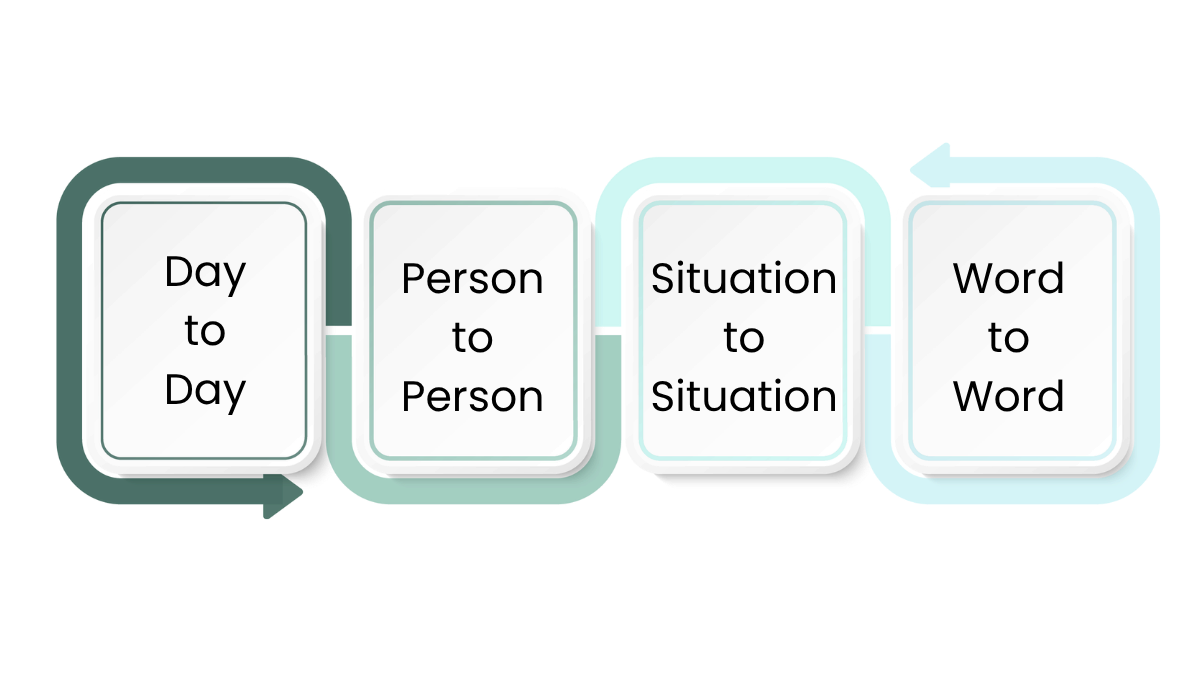
One thing that’s confusing about stuttering is that it changes. One day, talking may feel relatively easy. The next day, the same words may seem harder to get out. Speech can shift depending on who we're talking to, where we are, or even the specific word we're trying to say. Stuttering can vary from day to day, person to person, situation to situation, and even word to word.
That variability can be confusing, not just for people who stutter, but for the parents, teachers, spouses, friends, and coworkers who love and support them.
So why does stuttering change so much?
Variability Is Part of Stuttering
Stuttering, by nature, is unpredictable, and variability is one of its defining characteristics. It isn't unusual or unexpected. It's simply part of how stuttering works. Speech depends on complex timing and coordination within the brain and body. Sometimes that timing comes together more easily than other times. Even with everything researchers have learned about stuttering, we still can't always explain why one conversation feels easier than the next.
A Walk on the Beach
Living along the Gulf Coast has taught me something about variability. You can walk the same stretch of beach on any given day and find something new each time. One day the water may be beautiful with a shore full of seashells, tide pools, and coquinas. Another day you might find the water full of seaweed and jellyfish. None of it means the ocean is having a good day or a bad day. It's just what that day happens to bring.
Stuttering can be like that too. Some conversations flow more easily and others take more effort, and neither one is a sign that something is right or wrong. It's simply what that moment brings and is part of the natural variability of stuttering.

Same beach. Different conditions.
Why This Matters
Understanding variability changes how we respond to it. If we stutter, it helps to remember that our speech is expected to change. Some days will feel easier and some will feel more challenging, and neither one defines successful communication. When we're supporting someone who stutters, that same understanding can help us avoid assumptions like:
"They are choosing when to stutter."
"They are trying harder today."
"They must be getting better."
"They can control it if they want to."
One conversation doesn't tell the whole story. Every conversation is just one moment in time.
Looking for Patterns
Rather than judging our conversations one by one, we can stay curious about what we notice over time. Researchers have identified some things that tend to affect fluency, like cognitive load (how much mental effort a task takes), time pressure, fatigue, excitement, or talking with someone unfamiliar.
Knowing about these factors can be helpful, but they aren't a formula. A demanding day doesn't guarantee harder speech, and a relaxed day doesn't guarantee easier speech.
We may start to recognize patterns without always understanding what they mean, and that's okay. Staying curious lets us notice without the expectation to change anything.
Final Thoughts
If there's one thing I hope you take away, it's that stuttering naturally changes. Sometimes we stutter more and sometimes we stutter less. Variability is simply part of stuttering. Understanding this can help us replace confusion with curiosity, and respond with a little more patience and compassion.

Every conversation is just one moment in time.
Understanding Stuttering Series
This article is part of our Understanding Stuttering series. If you'd like to learn more, these articles build on one another:
What Is Stuttering?
Why Does Stuttering Change So Much?
What Causes Stuttering?
Are You Stuttering or Struggling?